You drill, you drive, you walk away confident. Then—pop—the concrete screw spins loose. Again. It’s infuriating when anchors that promise “permanent hold” crumble under minimal stress. And if you’re using the wrong type or technique? You’re not fixing concrete—you’re just wasting time (and money). Here’s how to actually fix concrete screws that won’t stay put—without tearing out half your foundation.
Why Most DIYers Fail with Concrete Screws
They treat concrete like wood. Big mistake. Concrete is brittle, inconsistent, and unforgiving. Tapcon®-style screws rely on threads cutting cleanly into a solid substrate—but what if your slab’s porous? Or old? Or full of rebar?
And here’s the kicker: over-torquing is worse than under-torquing. Strip the hole once, and it’s game over. No amount of epoxy will save a shredded pilot cavity. The problem isn’t the screw—it’s the mismatch between method and material reality.
How to Fix Concrete Screws: The Pro Method
Forget YouTube hacks involving toothpicks or glue. Real reliability starts with diagnosis—then precision execution.
Step 1: Identify Why It Failed
Spinning? Hole’s stripped. Pulling out? Wrong embedment depth. Rusting? You used carbon steel in a damp environment. Match symptom to cause before grabbing tools.
Step 2: Choose the Right Anchor System
Not all “concrete screws” are equal. For light-duty indoor use, standard blue-oxide Tapcons work. Exterior or structural loads? Switch to stainless steel or switch systems entirely.
Step 3: Execute the Repair Correctly
Ditch the impact driver. Use a drill with torque control—or better yet, a manual socket wrench for final tightening. Stop the second you feel resistance plateau. Overdrive by even half a turn, and you’ve compromised holding power.
| Failure Type | Best Fix Method | Estimated Cost per Anchor | Long-Term Reliability |
|---|---|---|---|
| Stripped pilot hole | Epoxy + oversized stainless screw | $3.50 | ★★★★★ |
| Surface spalling | Reset with sleeve anchor 2″ deeper | $2.80 | ★★★★☆ |
| Corrosion-induced loosening | Replace with 316 stainless concrete screw | $4.20 | ★★★★★ |
| Misaligned load | Redesign bracket + use through-bolt | $6.00+ | ★★★★★ |
The Industry Secret No One Talks About
Contractors don’t rely on concrete screws for critical loads—and neither should you. Here’s the truth: screws are for temporary or light fixtures. For anything bearing weight—handrails, structural brackets, ledger boards—the pros switch to wedge anchors or epoxy rods. Why? Because concrete screws create point-load stress. Wedge anchors distribute force radially. The math is simple: more surface contact = less chance of catastrophic failure. Save the screws for mounting conduit clamps—not life-safety hardware.
FAQ: Quick Fixes for Common Screw Issues
Can I reuse a stripped concrete screw hole?
No—not without repair. Clean the hole, fill with anchoring epoxy, then drill a new pilot for an oversized screw.
What’s the minimum embedment depth for concrete screws?
At least 1 inch into solid concrete—but 1.5 inches is ideal for any dynamic load. Never go shallow just to avoid rebar.
Do I need a special drill bit for concrete screws?
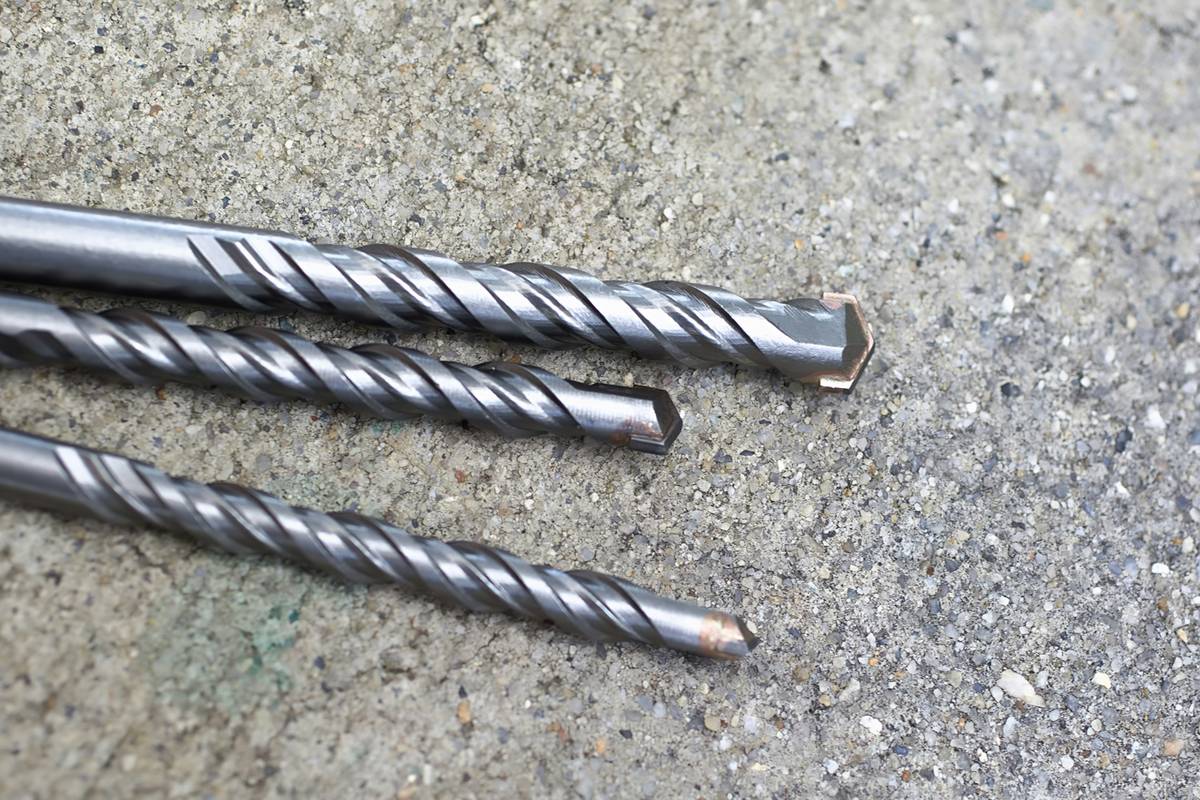
Yes. Use a carbide-tipped masonry bit matched exactly to the screw diameter. A dull bit creates micro-fractures that weaken grip.