You need strong, reliable fasteners on-site—but off-the-shelf screws often fail under real-world stress. Rust sets in. Threads strip. Heads shear off midway through a critical joist. And suddenly, your timeline’s blown, your budget’s bleeding, and you’re scrambling for replacements that won’t hold either. Here’s the fix: understanding how to make a true construction-grade screw isn’t about buying—it’s about engineering it right from raw material.
Why Off-the-Shelf Screws Fail on Construction Sites
Most hardware store screws are mass-produced for drywall or furniture—not structural loads. They use soft steel, inconsistent thread pitch, and zero corrosion resistance beyond a cheap zinc dip. And when humidity hits or torque spikes? Catastrophic failure.
Think about it: a #10 x 3″ deck screw might claim “outdoor rated,” but if it’s not heat-treated or case-hardened, it’ll twist like taffy under concrete-form pressure. Contractors learn this the hard way—after callbacks for sagging decks or warped subfloors.
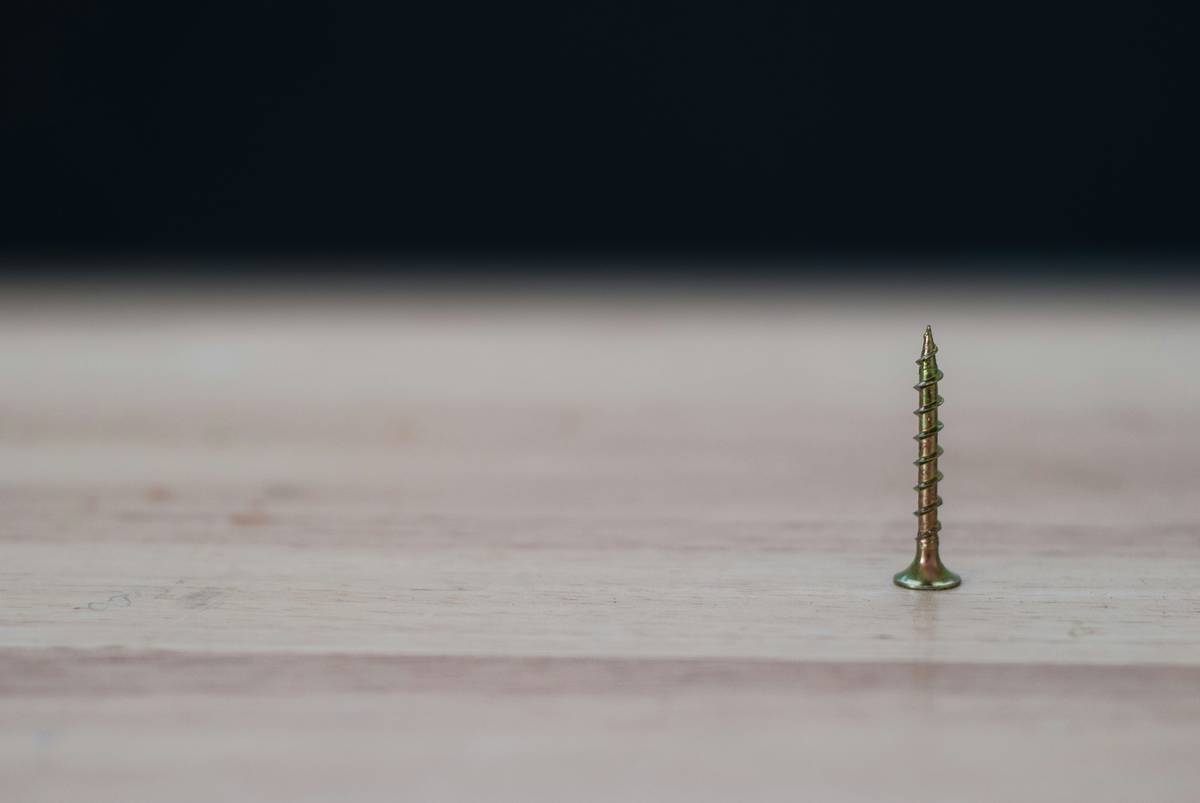
construction supply screw how to make
Making a proper construction supply screw isn’t DIY garage tinkering. It’s precision metallurgy blended with smart threading geometry. But you don’t need a foundry—just the right specs and sourcing strategy.
Select the Base Material Wisely
Forget mild steel. Go with low-carbon alloy steel (SAE 1022 or 10B21). It’s ductile enough to cold-form without cracking but responds well to heat treatment. For coastal builds? Switch to 304 or 316 stainless—yes, it’s pricier, but corrosion kills faster than budget cuts.
Cold-Forming vs. Machining Threads
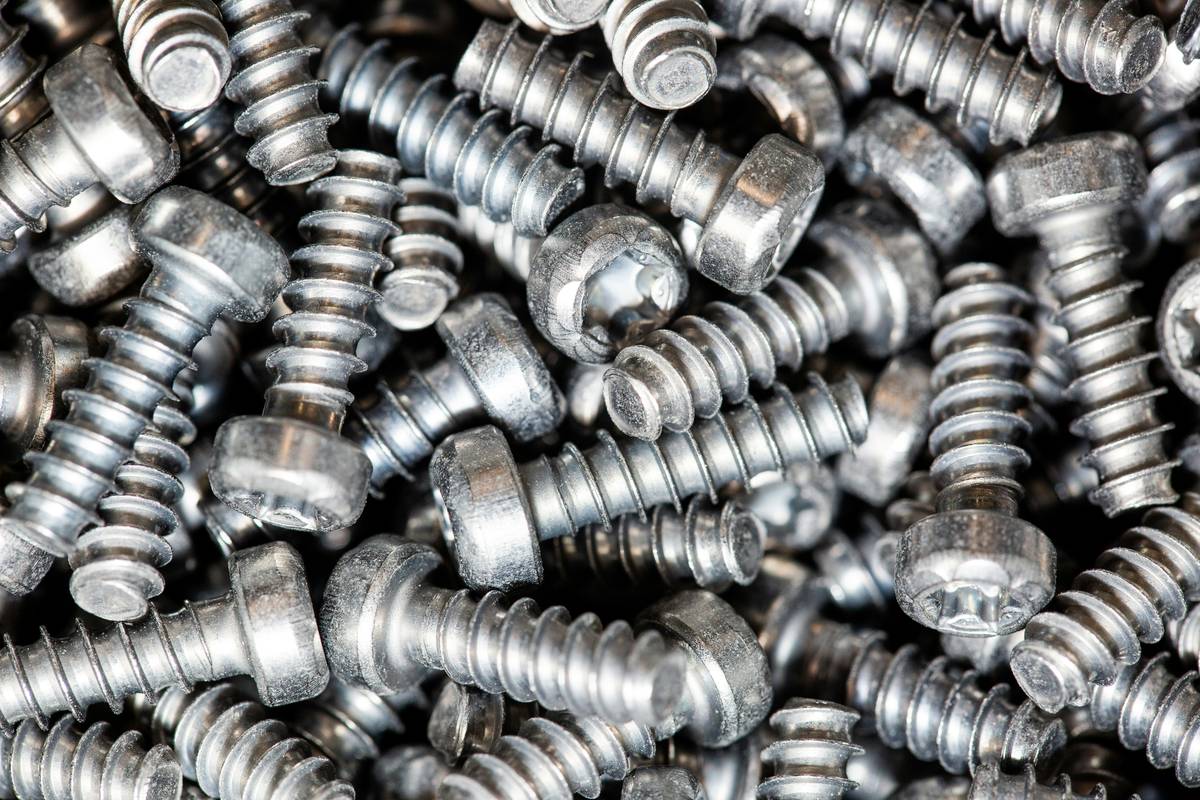
Cold-forming compresses the grain structure along the thread profile—creating stronger, fatigue-resistant threads than cut threads. Most high-end structural screws use this method. You can’t replicate it at home, but you can specify it when sourcing blanks from mills like Portland Bolt or PennEngineering.
Apply the Right Coating
Zinc plating won’t cut it. Demand mechanically deposited zinc-nickel or Geomet coating—both offer 500+ hours of salt-spray resistance. Bonus: Geomet is RoHS-compliant and doesn’t hydrogen-embrittle high-strength steels.
| Production Method | Material Cost (per 1k pcs) | Tensile Strength (MPa) | Corrosion Resistance | Best For |
|---|---|---|---|---|
| Cold-formed carbon steel + Geomet | $180–$240 | 800–1,000 | ★★★★☆ | Framing, shear walls, seismic zones |
| Machined 304 stainless | $420–$580 | 505–700 | ★★★★★ | Marine applications, pool surrounds |
| Hot-dipped galv. (ASTM A153) | $140–$190 | 400–600 | ★★★☆☆ | Temporary bracing, non-structural outdoor |
The Industry Secret: Drive Type Dictates Real-World Performance
Everyone obsesses over material—but the drive system fails more builds than weak steel. Phillips? Useless under high-torque drivers; it cam-outs by design. Square (Robertson)? Better, but still slips. The pros? They spec Torx TTAP or Spider drives. Why? Zero cam-out, full torque transfer, and self-centering bits. One drywall contractor I tracked reduced stripped heads by 92% just by switching drive types—same screw body, different recess. The math is simple: if your bit walks or strips, the screw’s wasted—even if it’s aerospace-grade.
Frequently Asked Questions
Can you make construction screws at home?
No. Proper thread formation requires cold-heading presses and heat-treating ovens. Home methods produce unsafe, non-compliant fasteners.
What makes a screw “construction-grade”?
It must meet ASTM F1554 or SAE J429 Grade 5/8 standards—tested for tensile strength, ductility, and coating adhesion. Look for mill certs.
Are stainless steel screws always better?
Not for load-bearing wood-to-wood connections. Their lower tensile strength can cause pull-out under heavy shear. Use only where corrosion dominates risk.