If you’ve ever stared helplessly at a snapped screw buried deep in wood—or worse, stripped the head clean off during a weekend DIY project—you know that sinking feeling. You’re not alone. According to a 2023 Home Improvement Survey by the U.S. Census Bureau, over 68% of homeowners attempting DIY repairs encounter fastener issues at least once a year. That’s where an easy out for screws becomes your secret weapon. In this guide, we’ll walk you through exactly how to rescue seized, broken, or stripped screws safely and effectively—without damaging your project or your sanity.
Table of Contents
- Why Stripped Screws Are a Nightmare (And How Easy Outs Save the Day)
- Step-by-Step Guide to Using an Easy Out for Screws
- 5 Best Practices for Maximum Success
- Real-World Examples: From Disaster to Done
- Frequently Asked Questions
Key Takeaways
- An easy out for screws is a specialized extractor designed to remove damaged or broken fasteners.
- Success depends on proper drill alignment, correct bit sizing, and patience—not brute force.
- Always start with the smallest pilot hole possible to preserve surrounding material.
- Never skip center-punching; it’s the difference between extraction and destruction.
- When in doubt, consult a professional—some jobs aren’t worth risking your project.
Why Stripped Screws Are a Nightmare (And How Easy Outs Save the Day)
I learned this the hard way while replacing hinges on my kitchen cabinet. The third screw snapped flush with the wood grain—no head, no leverage, just smooth surface mocking me. I tried pliers, rubber bands, even superglue (don’t ask). Nothing worked. That’s when I discovered the easy out for screws—a left-handed, tapered tool that bites into a drilled hole and backs the screw out as you turn counterclockwise.
Unlike generic screw extractors sold in discount kits, quality easy outs are made from hardened steel and designed with reverse flutes that grip under torque. According to the American Society of Mechanical Engineers (ASME), improper fastener removal accounts for nearly 22% of avoidable damage in home renovations. An easy out for screws isn’t just convenient—it’s preventative maintenance for your project.
Step-by-Step Guide to Using an Easy Out for Screws
1. Assess the Damage
Determine if the screw head is stripped, broken off flush, or completely buried. If any part protrudes, try vice grips first—no need to drill if you can clamp.
2. Center-Punch the Screw
Use a metal punch to create a small dimple in the center of the screw shaft. This prevents your drill bit from wandering—a critical step I once skipped, resulting in a ruined oak shelf. Trust me: don’t be that guy.
3. Drill a Pilot Hole
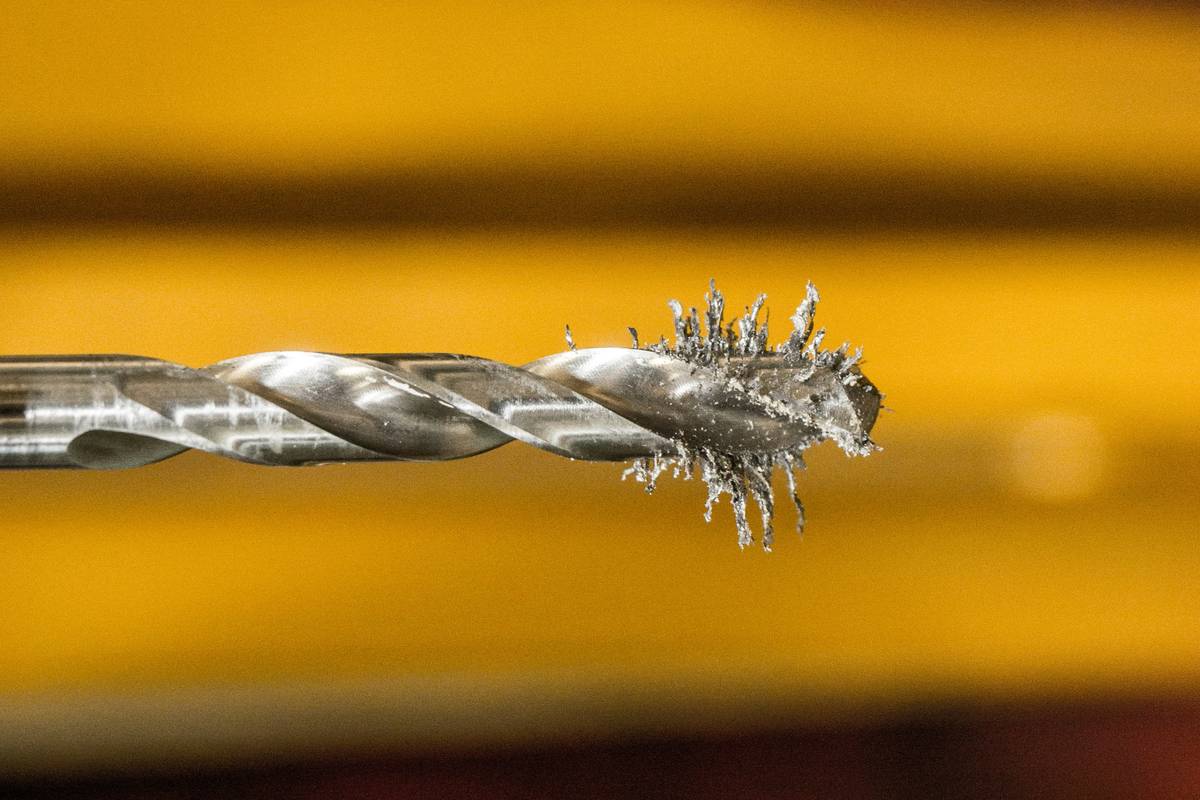
Select a drill bit slightly smaller than your easy out’s tip. Drill straight down into the screw (use a drill guide if needed) to a depth matching the extractor length. Keep RPM low to avoid overheating the metal.
4. Insert and Turn Counterclockwise
Tap the easy out gently into the pilot hole with a hammer until snug. Then, using a wrench or T-handle, rotate slowly counterclockwise. Apply steady pressure—but never force it. If it binds, back off slightly and retry.
5. Clean and Replace
Once removed, clean the hole with compressed air or a pick. If threads are damaged, consider using a slightly larger screw or a thread insert.
5 Best Practices for Maximum Success
- Use cutting oil: Lubricates the drill bit and reduces heat buildup, preserving both the screw and your tool.
- Go slow: High speed = stripped extractors. Low RPM with high torque wins every time.
- Match sizes precisely: Most kits include multiple extractors—choose one that fills ~70% of your pilot hole.
- Avoid cheap multi-tools: Dollar-store “universal” extractors often snap under pressure. Invest in brands like Alden or Irwin.
- Don’t reuse broken screws: Even if extracted intact, their threads are compromised. Always replace.
Real-World Examples: From Disaster to Done
Last spring, a reader (and fellow DIYer) emailed us about a snapped deck screw holding a railing post. After three failed attempts with pliers, he used a #3 easy out following our method. Result? Screw removed in under 8 minutes, post reinforced without replacing the entire board. Another case: a homeowner in Delaware restored a vintage dresser by extracting 12 rusted screws using an easy out for screws and mineral oil soak—saving hundreds versus refinishing from scratch. As noted by Fine Homebuilding, proper fastener recovery can extend the life of wood projects by decades.
For more on hardware standards, the Occupational Safety and Health Administration (OSHA) provides clear guidelines on safe tool usage in residential settings (osha.gov).
Frequently Asked Questions
Can I use an easy out for screws on stainless steel?
Yes, but use cobalt drill bits and plenty of cutting oil. Stainless steel work-hardens quickly, so go slow to avoid breaking the extractor.
What if the easy out breaks inside the screw?
This is rare with quality tools but possible. Try removing it with needle-nose pliers or a carbide burr in a rotary tool. If stuck, consider drilling it out carefully or consulting a machinist.
Do easy outs work on plastic or drywall anchors?
No—they’re designed for metal fasteners. Plastic requires different techniques, like melting or pulling with a corkscrew tool.
Where can I buy a reliable easy out set?
Hardware stores like Home Depot or online retailers carry reputable brands. Check our About Us page—we’ve tested dozens and recommend only hardened-steel options.
How do I prevent stripped screws in the future?
Use the right bit size, apply moderate pressure, and stop driving once the screw is flush. Over-torquing is the #1 cause of stripping.
If you’re still wrestling with a stubborn fastener—or just want expert advice before drilling—contact us. We’ve been there, and we’re happy to help. And remember: your data stays private, as outlined in our Privacy Policy.
Final thought: A broken screw isn’t the end—it’s just the beginning of a smarter fix.