You’ve got plans. A shelf. A planter box. Maybe even a chicken coop. But halfway through, your screw snaps—or worse, it spins uselessly in a stripped hole. Frustrating? Absolutely. And it kills momentum. The truth is, most DIYers treat screws like afterthoughts. Big mistake. With the right approach, diy project screw how to make isn’t just about driving fast—it’s about choosing smart, prepping right, and understanding what happens beneath the surface.
Why Your Screws Keep Failing (And It’s Not Your Fault)
Hardware stores dump thousands of screw types on shelves with zero guidance. You grab “wood screws.” But did you check thread pitch? Shank diameter? Head style? No—because nobody told you it matters.
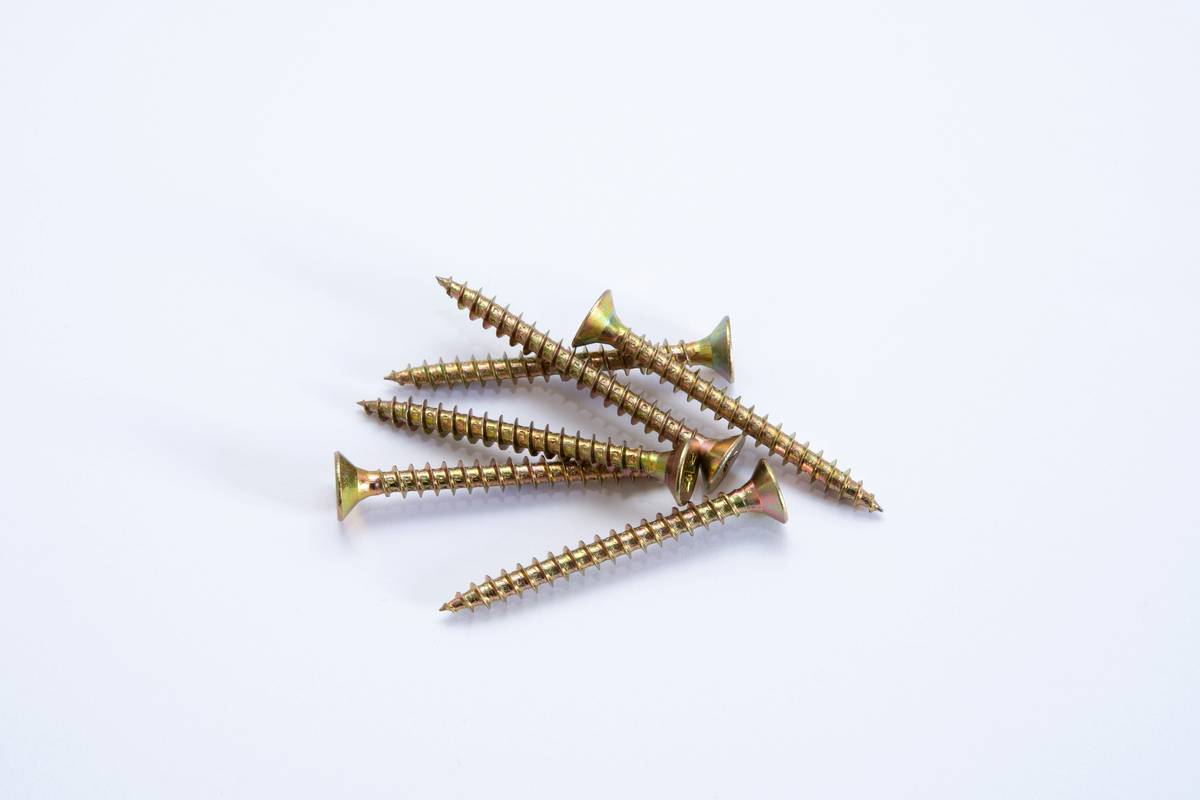
Here’s the reality: generic #8 x 1½” wood screws work fine… until they don’t. Soft pine? Sure. But oak? Plywood edge? MDF? Different materials demand different geometries. Use the wrong screw, and you’ll either split the wood or strip the threads before torque even peaks.
And pilot holes? Most people drill them too small—or skip them entirely. Bad move. Wood fibers compress under pressure. Without relief, they crack or offer no bite. The screw turns—but nothing holds.
DIY Project Screw How to Make: A Step-by-Step Fix
Forget “just hammer it in.” Precision beats brute force every time. Follow this system:
Pick the Right Screw for the Job
Ask three questions: What material are you joining? What’s the load? Will it be indoors or out?
For interior framing: coarse-thread drywall screws (cheap, but brittle—avoid for structural). For outdoor furniture: exterior-grade decking screws with corrosion resistance. For hardwood joinery: confirmat screws—they grip like glue.
Drill Smart Pilot Holes
Your pilot hole needs two zones: a clearance hole for the unthreaded shank, and a pilot for the threaded portion. Skip this, and you’re gambling.
Example: For a #8 screw in hardwood, drill a 1/8″ hole through the top piece (shank clearance), then a 3/32″ hole into the base (thread engagement). Now the screw pulls tight without splitting.
Control Your Torque
Power drills lie. They promise speed but deliver breakage. Switch to a clutch setting below mid-range. Better yet—finish by hand with a ratcheting screwdriver. That last quarter-turn makes all the difference.

The table below cuts through the noise—match your project type to the ideal screw and prep method.
| Project Type | Screw Type | Pilot Hole Size (Hardwood) | Torque Tip |
|---|---|---|---|
| Indoor Shelf (Pine) | #8 Wood Screw, Phillips | 1/16″ (or none) | Medium clutch; drive fully |
| Outdoor Bench (Cedar) | #10 Deck Screw, Square Drive | Shank: 3/16″, Threads: 1/8″ | Low clutch; stop at flush |
| MDF Cabinet | Confirmat Screw | Use stepped bit per manufacturer | Hand-tighten final ¼ turn |
| Plywood Edge Joinery | Pocket-Hole Screw | Built-in via jig | Pre-set depth on Kreg system |
The Hardware Store Won’t Tell You This
Here’s an industry secret: most “multi-purpose” screws are engineered for assembly lines—not your garage. Factories use robot arms that apply exact pressure, heat-treated bits, and climate-controlled lumber. You’re working with warped boards, humid air, and a $39 drill.
So adapt. Buy screws in small batches for specific projects. Test one joint first. If it feels gritty or cracks—stop. Swap brands. Sometimes a $6 box from a specialty supplier outperforms a $3 big-box store pack. And always, always wax your screws. Rub them on a candle or paraffin block. Lubrication reduces friction by up to 40%—meaning less stripping, smoother drives, and tighter clamping force. It’s an old carpenter trick that costs pennies and saves hours.
FAQ
Can I reuse a stripped screw hole?
Yes. Fill it with toothpicks and wood glue, let dry, then redrill. Or switch to a slightly longer/thicker screw to engage fresh material.
What’s better: Phillips or square drive?
Square (Robertson) wins for DIY. It resists cam-out far better, transfers more torque, and your bit won’t slip off mid-drive.
Do I really need different screws for indoor vs outdoor?
Absolutely. Indoor screws rust quickly outside. Outdoor screws have coatings (like ceramic or polymer) that resist moisture—critical for longevity.