You’re mid-project—phone mount won’t stick, eyeglasses are loose again, or that cabinet hinge is rattling like a ghost in the walls. You need tiny fasteners. Fast. You Google “small screws home depot,” haul yourself into the store, and face aisle after aisle of bins labeled with cryptic codes. And still… nothing fits. The real problem isn’t availability—it’s **knowing what actually works** for micro-fastening jobs most DIYers tackle. Here’s how to cut through the noise.
Why Off-the-Shelf Small Screws Home Depot Sells Often Fail
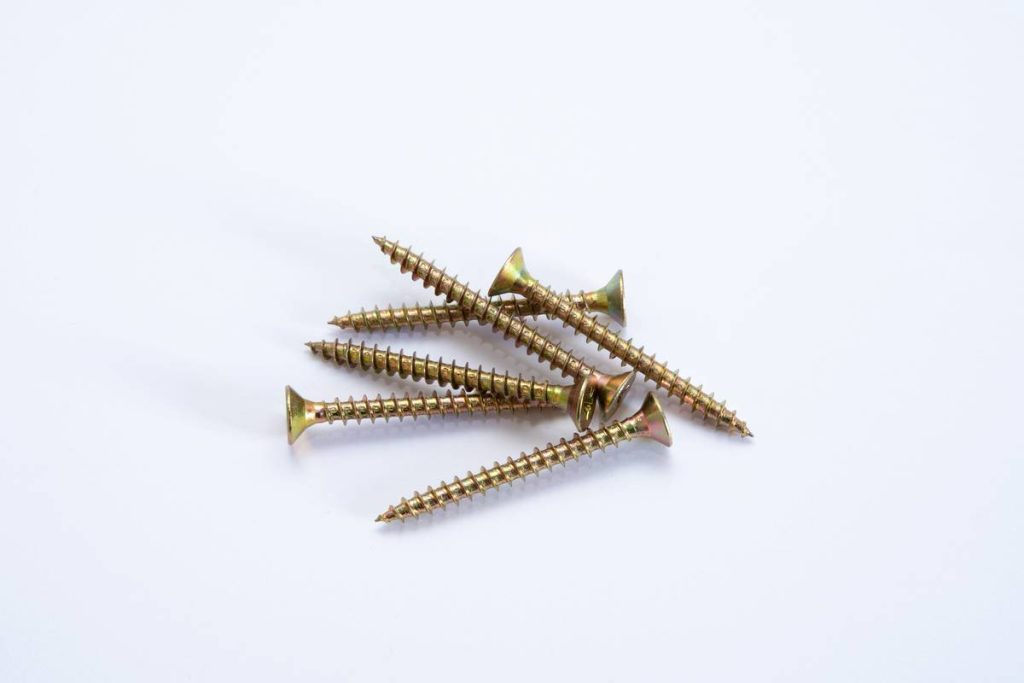
Home Depot stocks thousands of screw types—but 90% of their small screws are built for contractors, not hobbyists fixing reading glasses or assembling smart doorbells. They prioritize bulk over precision. Thread pitch? Wrong. Head type? Too thick. Material? Prone to stripping under torque from a jeweler’s screwdriver.
And here’s the kicker: many “small” screws sold online or in-store are actually oversized for delicate applications. A #0 Phillips might look right—but if it’s 12mm long instead of 3mm, you’ve just cracked your device housing. The mismatch isn’t accidental. It’s economics. Mass retailers optimize for shelf turnover, not micron-level accuracy.
Your Step-by-Step Guide to Choosing & Using Micro-Screws That Hold
Forget guessing. Follow this field-tested workflow:
Step 1: Identify Your Exact Thread Standard
Is it metric (M1.4, M2)? Unified (0-80, 2-56)? Or proprietary (Apple Pentalobe, Torx T3)? Use a thread gauge—$8 on Amazon—or match against an existing screw with calipers. Guessing leads to cross-threading. Every time.
Step 2: Match Drive Type to Tool Access
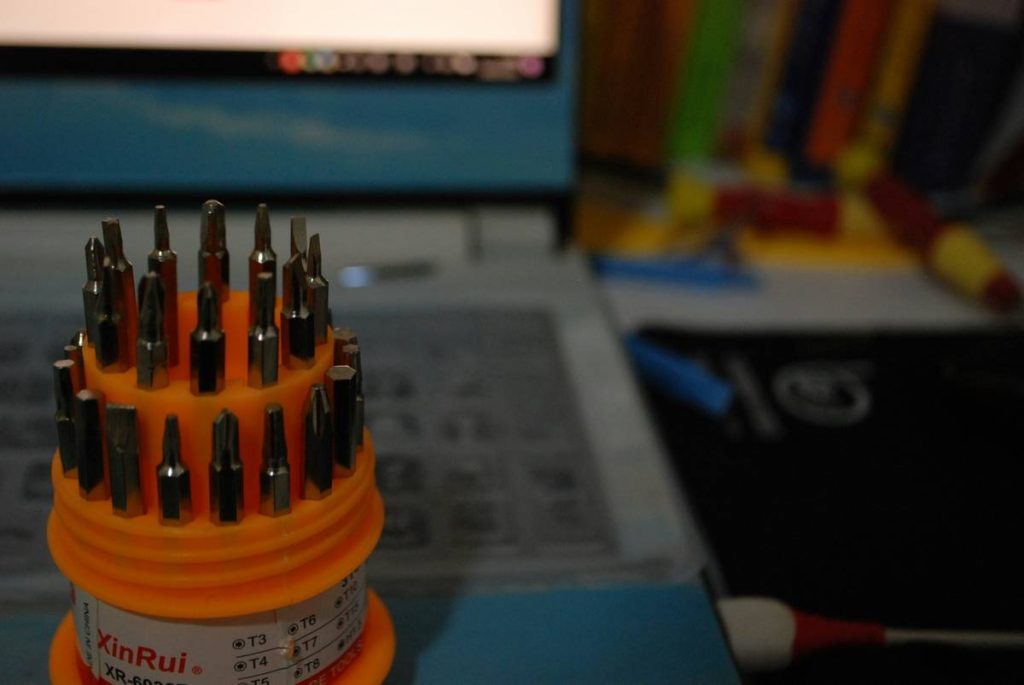
A #00 Phillips demands steady hands and perfect alignment. If you’re working inside a tight electronics bay, consider tri-wing or Torx—they resist cam-out better at miniature scales.
Step 3: Validate Length Against Material Depth
Rule of thumb: screw length should be 1.5x the thickness of the material being fastened into. Go longer? Risk blowout. Shorter? No grip. Measure twice—drill once.
| Source | Avg. Price per 10 | Precision Fit | Bulk Availability | Best For |
|---|---|---|---|---|
| Home Depot (In-Store) | $1.97 | Low-Medium | High | Basic furniture repairs, non-critical mounts |
| Specialty Online (e.g., McMaster-Carr) | $4.25 | Very High | Medium | Electronics, optics, aerospace DIY |
| Salvage/Donor Devices | $0 (but time cost) | Perfect (if matching) | Unreliable | Replacing identical broken screws in gadgets |
Step 4: Pre-Drill Pilot Holes—Even in Soft Materials
Yes, even plastic. At sub-3mm diameters, binding torque can snap shafts before threads engage. Use a drill bit 70% of the screw’s core diameter—not outer thread width.
The Industry Secret: Why Hardware Engineers Hate Random Screws
Here’s something you won’t hear in-store: most professional product designers avoid “generic” small screws entirely. Why? Because consistent failure rates start at the fastener level. A veteran engineer once told me: “If your prototype uses off-brand M2 screws from a big-box bin, you’ll debug torque inconsistencies for weeks.” The fix? Stick to ISO-certified brands like Bossard or Würth—even if you pay $0.12 more per unit. For mission-critical holds, that premium prevents catastrophic rework. And for DIY? Grab the DeWalt or Hillman branded packs at Home Depot—they’re often OEM-sourced and sorted tighter than generic bins.
Frequently Asked Questions
Does Home Depot carry M1.4 or M2 metric small screws?
Yes—but only in select stores and mostly in multi-packs labeled “electronics” or “eyeglass repair.” Call ahead. Their online inventory rarely shows true micro-sizes.
Can I reuse small screws from old devices?
Only if threads are undamaged. Inspect under light. Reused micro-screws often have slightly rolled edges that won’t seat properly—leading to stripped holes.
What’s the smallest screw size Home Depot reliably stocks?
Typically #0 x 1/8″ or M1.6 x 4mm. Anything smaller (like M1 or 000-90) is hit-or-miss and usually requires online specialty vendors.