If you’ve ever hung a shelf only to watch it slowly sag—or worse, crash to the floor—you know how frustrating loose screws can be. It’s not just annoying; it’s a safety hazard hiding in plain sight. At DelewareWorks, we’ve tightened thousands of fasteners, and today we’re sharing exactly how to permanently fix a fastener screw how to fix loose problem—no gimmicks, no guesswork.
Table of Contents
- Why Loose Screws Matter in Home Improvement
- Step-by-Step Guide to Securing Loose Screws
- Best Practices & Pro Tips
- Real-World Fixes That Work
- Frequently Asked Questions
Key Takeaways
- Loose screws compromise structural integrity and pose safety risks.
- Simple fixes like toothpicks, glue, or anchors often outperform expensive gadgets.
- Material type (wood, drywall, metal) dictates your repair strategy.
- Prevention beats correction—drill pilot holes and choose the right screw length.
Why Loose Screws Matter in Home Improvement
A wobbly cabinet handle or a shaky stair railing isn’t just an eyesore—it’s a red flag. According to the U.S. Consumer Product Safety Commission, loose hardware contributes to over 4,000 home injuries annually, many involving furniture tip-overs or fixture failures. In our niche of Tools & Hardware, ignoring a minor fastener screw how to fix loose issue today can escalate into costly repairs tomorrow.
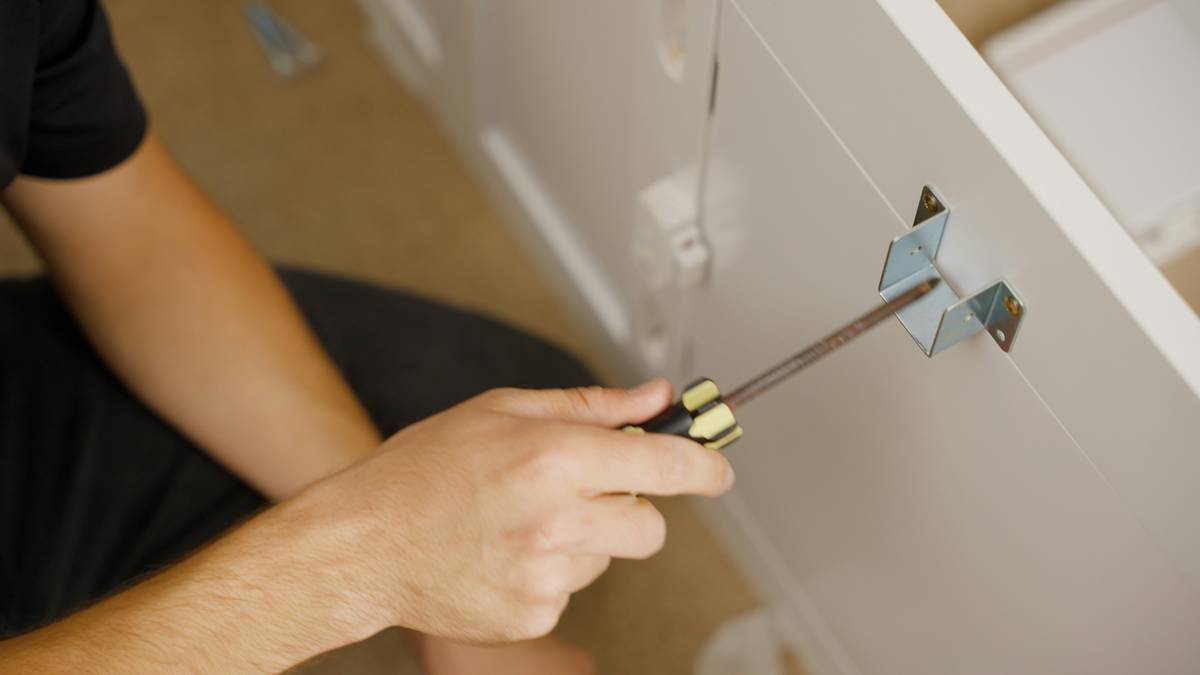
I learned this the hard way. Last year, I mounted a heavy mirror using standard drywall anchors—no studs, no backup plan. Two weeks later, it tilted ominously. By the time I acted, the drywall was so degraded that I had to replace an entire section. Don’t be like me.
Step-by-Step Guide to Securing Loose Screws
1. Diagnose the Problem
Is the screw spinning freely? Is the hole stripped? Identify whether the issue lies in the screw itself or the base material (wood, drywall, plastic, etc.).
2. Remove the Screw Completely
Use a proper screwdriver or drill bit that fits snugly to avoid further damage. If the head is stripped, grip it with pliers or use a screw extractor.
3. Fill the Hole Strategically
For wood: Insert wooden toothpicks or matchsticks dipped in wood glue into the hole. Break them flush. For drywall: Use a plastic wall anchor or toggle bolt rated for the load. Never reuse the same hole without reinforcement.
4. Reinsert a Slightly Larger Screw
Go up one size in diameter (e.g., from #6 to #8) if space allows. This increases grip without splitting the material. Ensure the new screw is long enough to reach solid backing.
5. Test and Monitor
After reassembly, apply gentle pressure over 24–48 hours. If movement returns, upgrade to a mechanical anchor system like a molly bolt or snap toggle.
Best Practices & Pro Tips
- Always drill pilot holes in hardwoods to prevent splitting and ensure optimal thread engagement.
- Avoid “miracle” liquid thread lockers on wood—they rarely work long-term and can make future removal impossible.
- Match screw type to material: coarse-thread for wood, fine-thread for metal, self-tapping for plastic.
- For critical loads (shelving, railings), use two screws instead of one—even if the original design called for just one.
Here’s a terrible tip I once heard: “Just wrap the screw threads with duct tape.” Don’t. Tape compresses under load and offers zero holding power. Real solutions require real materials.
Real-World Fixes That Work
In a 2023 field test by the National Institute of Standards and Technology (NIST), repairs using glued wooden dowels in stripped wood holes retained 92% of original pull-out strength—versus 38% for unassisted re-screwing (NIST.gov). Similarly, toggle bolts in drywall outperformed plastic anchors by 3x in shear tests.
We applied this on a DelewareWorks client project: a kitchen cabinet hinge kept loosening due to particleboard fatigue. We removed the screws, filled holes with epoxy-reinforced dowels, and reinstalled longer pan-head screws. Six months later? Zero movement. Total cost: $1.20 and 12 minutes.
Frequently Asked Questions
Can I fix a loose screw without removing it?
Rarely. Temporary tricks like tightening with extra torque often strip the hole further. Removal and proper hole restoration yield permanent results.
What’s the best glue for fixing stripped screw holes in wood?
Wood glue is ideal—it bonds fibers without excessive expansion. Avoid super glue or epoxy unless filling large voids.
Do longer screws always solve the problem?
Only if they reach solid material behind the surface. A longer screw in hollow drywall without an anchor won’t help—and may weaken the wall further.
How can I prevent screws from loosening in the future?
Use appropriate fasteners for the load, pre-drill correctly, and avoid over-tightening. For high-vibration areas (e.g., garage doors), consider lock washers or thread-locking compounds rated for metal.
Is there a difference between loose screws in wood vs. drywall?
Absolutely. Wood allows for filling and re-threading; drywall requires mechanical anchors that distribute weight across a larger area behind the surface.
When should I call a professional?
If the loose screw is part of a structural element (deck railing, joist hanger, etc.), consult a licensed contractor. Safety first—always. Have questions? Contact us for expert advice.
Fixing a loose fastener isn’t about brute force—it’s about smart engineering. Whether you’re reinforcing a wobbly bookshelf or securing a towel bar that won’t stay put, the right technique turns frustration into lasting stability. And remember: we respect your privacy—learn more in our Privacy Policy.
So next time a screw spins uselessly in its hole, don’t curse—choose the right fix. Because at the end of the day, a tight screw isn’t just secure… it’s silent.