You’ve got the screw. You’ve got the material. But your screwdriver slips, spins, or—worst of all—strips the head clean off. Frustration mounts. Projects stall. And you’re left wondering: fastener screw what screwdriver i need? It’s not about brute force—it’s about matching geometry, torque, and intent.
Why Most DIYers Fail With Screws (It’s Not Your Fault)
The hardware aisle lies to you. Labels say “universal” or “multi-fit.” They aren’t. Even seasoned contractors grab the wrong bit because packaging prioritizes shelf appeal over precision engineering.
Here’s the reality: a Phillips #2 might work 80% of the time—but that 20% failure rate ruins cabinets, electronics, and hardwood trim. And once a head strips, you’re in extraction hell.
Screws aren’t one-size-fits-all. Neither are drivers. Ignoring this mismatch guarantees wasted time—and warped materials.
Fastener Screw What Screwdriver I Need: A No-BS Decision Framework
Forget memorizing charts. Use this system based on fastener type, application depth, and driver engagement profile.
Step 1: Identify the Drive Type (Not Just the Head)
Head shape = cosmetic. Drive type = functional. A flathead screw isn’t always driven by a flat screwdriver—some use Torx for hidden access. Look at the recess, not the silhouette.
Step 2: Match Bit Size—Not Just Shape
A #1 Phillips in a #2 recess wobbles. A #3 in a #2 cracks the head. Fit must be snug with zero play. If it rattles, it’s wrong—period.
Step 3: Consider Torque Demands
Softwood decking? Hand driver suffices. Steel framing? You need an impact-rated bit with hardened steel. Cheap bits snap under load—they’re false economy.
| Fastener Drive Type | Correct Screwdriver/Bit | Common Mistake | Torque Recommendation |
|---|---|---|---|
| Phillips (PH1, PH2, PH3) | Precision-ground Phillips bit matching exact size | Using “close enough” sizes or worn bits | Medium (hand or drill below 500 RPM) |
| Slotted | Flat blade filling 90%+ of slot width | Narrow blades that cam out easily | Low (use ratchet screwdriver for control) |
| Torx (T10–T40) | Exact Torx bit—no substitutes | Forcing Allen key into Torx (destroys both) | High (ideal for impact drivers) |
| Robertson (Square) | Square drive bit with chamfered tip | Using Phillips thinking it “fits okay” | Very High (resists cam-out best) |
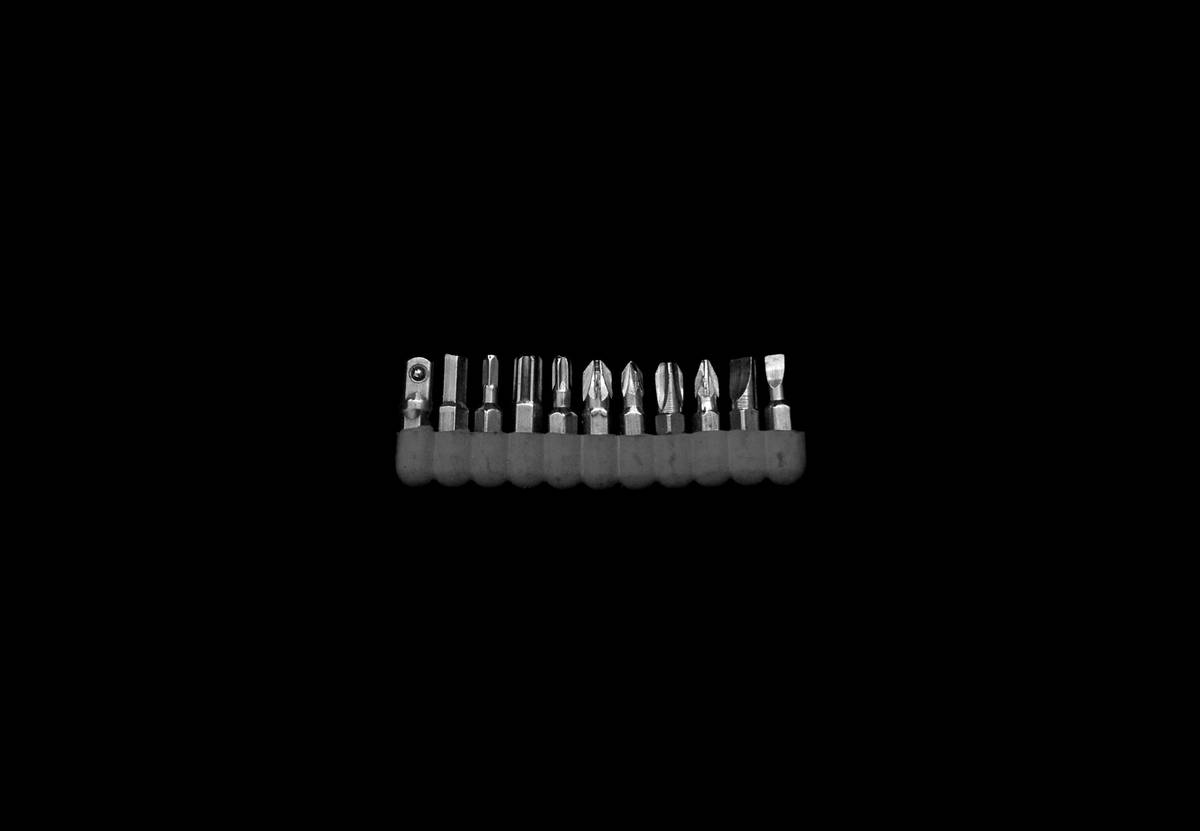
The Industry Secret: Screws Are Designed to Fail—On Purpose
Most people don’t know this: many mass-market screws use undercut drives—recesses intentionally shallower than standard. Why? Faster assembly lines. Cheaper tooling. But it means even the right driver slips if you apply slight angle deviation.
And here’s the kicker: premium brands (like Spax or GRK) cut deeper, cleaner drives—not because they care about your weekend project, but because their industrial clients demand zero field failures. Pay 20% more, save 200% in rework.
Think about it: if a $0.03 screw causes a $50 repair, the math is simple. Never let cost dictate your fastener quality—or your bit selection.
FAQs: Fastener Screw What Screwdriver I Need
What screwdriver do I need for a Phillips head screw?
Use a Phillips bit that exactly matches the size stamped on the screw head (PH1, PH2, etc.). Never force a different size—even if it “kinda fits.”
Can I use a flathead screwdriver on a Torx screw?
Absolutely not. Torx requires a star-shaped bit. Forcing a flat blade rounds out the recess instantly and ruins the fastener.
Why does my screwdriver keep slipping off the screw?
Either the bit size is wrong, the drive is worn, or the screw uses a non-standard undercut recess. Replace bits regularly and verify drive compatibility first.