You bought the right screws from your local construction supply store—but halfway through driving them, the head strips. Again. Now you’re stuck with a wobbly fixture, wasted time, and that sinking feeling you used the wrong tool. The problem isn’t your effort—it’s mismatching screw types with drivers. Here’s how to fix it permanently: choose the screwdriver based on screw head geometry, not guesswork.
Why Most DIYers Strip Screws (And Waste Money)
Using a Phillips when you need a Pozi? Torx instead of square? It happens—constantly. Hardware stores rarely label screw heads clearly, and online listings are worse. You end up guessing. And when torque meets incompatible geometry, metal yields. Stripped heads = ruined fasteners = rework.
Worse: many assume “all #2 Phillips are the same.” They’re not. Tolerances vary wildly between cheap imports and pro-grade fasteners. Your driver might be perfect for one brand—and useless for another.
Construction Supply Screw What Screwdriver I Should Actually Use
Match the Drive Type First—Not the Size
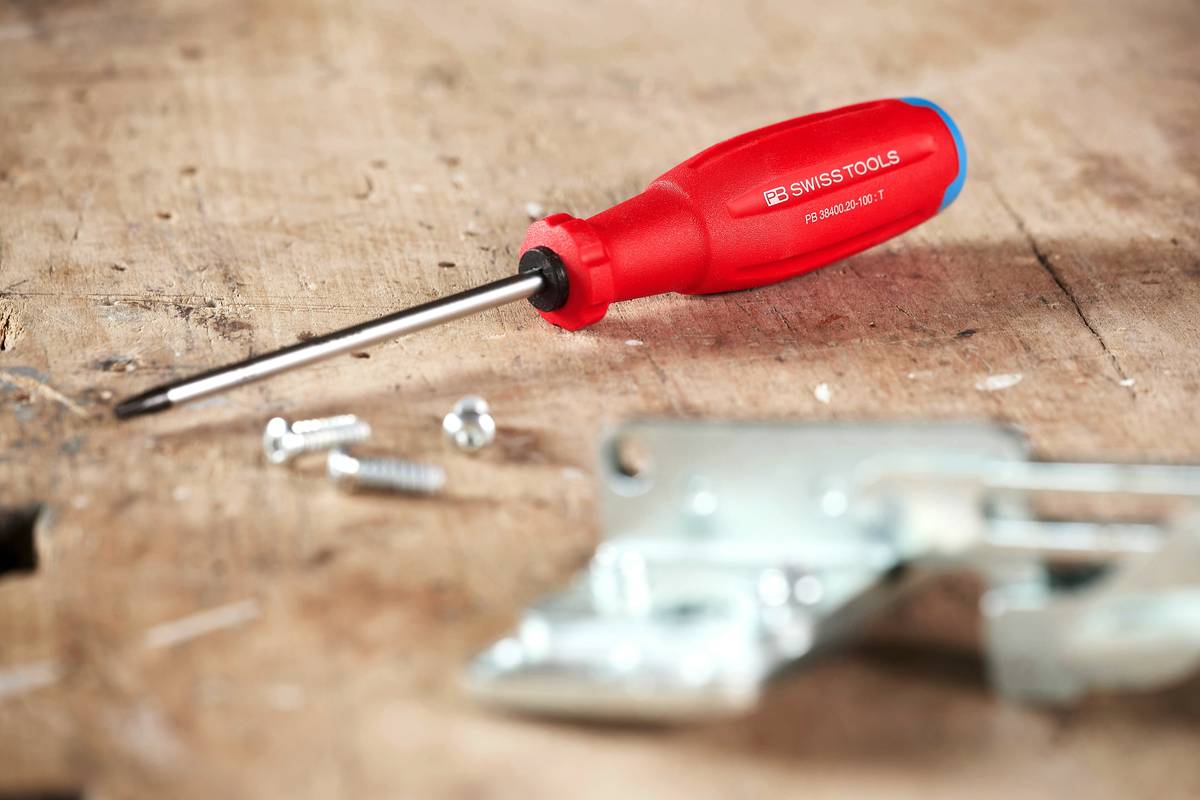
Before measuring diameters or lengths, identify the drive type stamped (or implied) on the screw head. That tiny cross, square, or star shape dictates your entire tool choice.
Understand Material Matters More Than You Think
Drywall screws demand different handling than lag bolts—even with identical drive types. Harder substrates (concrete backer board, hardwoods) transmit more resistance. That means you need a driver bit with tighter tolerances and harder steel. Cheap bits cam out faster. Always.
The Real Cost of Getting It Wrong
Let’s run the numbers:
| Screw Type | Correct Driver | Wrong Driver Outcome | Avg. Time Lost per Failure |
|---|---|---|---|
| Deck Screw (Star/Torx T25) | T25 Bit (Hardened) | Stripped head, broken bit | 8–12 minutes |
| Drywall Screw (Phillips #2) | #2 Phillips with anti-camout tip | Cam-out, torn drywall paper | 5–7 minutes |
| Structural Lag Bolt (Hex Washer Head) | 6-point socket or hex driver | Rounded corners, bolt seizure | 15+ minutes |
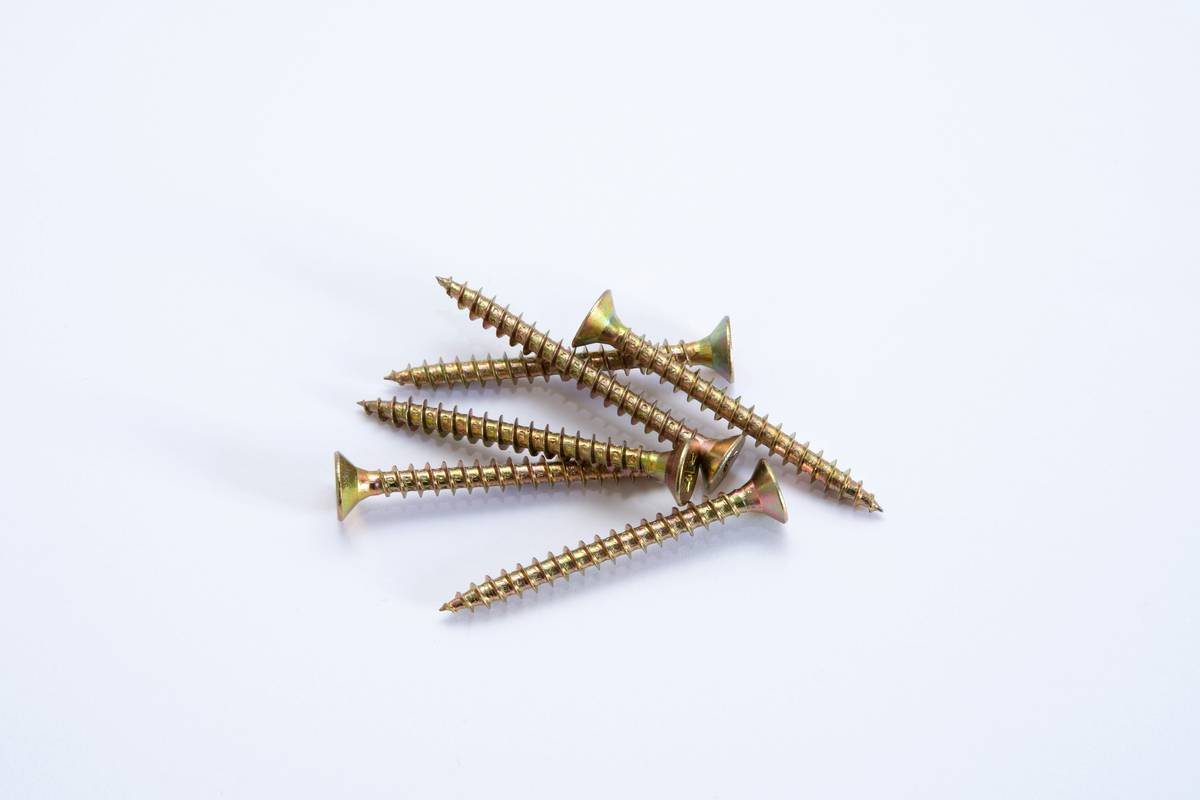
The Industry Secret: Pro Contractors Don’t Rely on Color-Coded Bits
Here’s something big-box stores won’t tell you: color-coded bit sets (red for Phillips, blue for Torx, etc.) are marketing theater—not precision tools. Real tradespeople carry unmarked, hardened-steel bits from brands like Wera or Milwaukee Shockwave. Why? Because surface hardness (measured in Rockwell C scale) matters more than paint.
And this: seasoned carpenters often grind down Phillips tips slightly to reduce cam-out in softwoods. It’s a micro-modification that prevents stripping—something no pre-packaged kit accounts for. The math is simple: if your bit slips before full depth, the fault isn’t your drill—it’s the interface geometry.
FAQ
What screwdriver do I use for construction supply screws?
Match the drive type exactly—Torx, Phillips, square, or hex—and use a hardened bit rated for high-torque applications. Never force-fit.
Can I use a regular screwdriver instead of a power drill?
Yes—for pilot holes or delicate materials. But for structural fasteners, manual drivers lack consistent torque and increase hand fatigue, raising error risk.
Why do my screws keep stripping even with the right bit?
Likely causes: worn-out bit, excessive speed/torque setting, or driving into overly dense material without a pilot hole. Slow down and pre-drill.