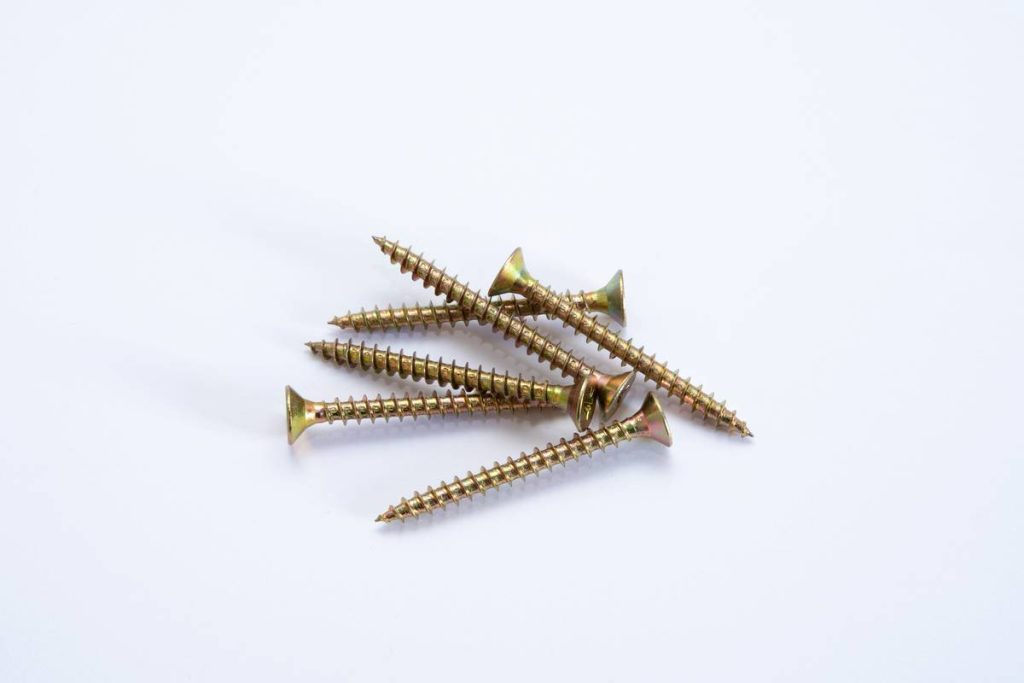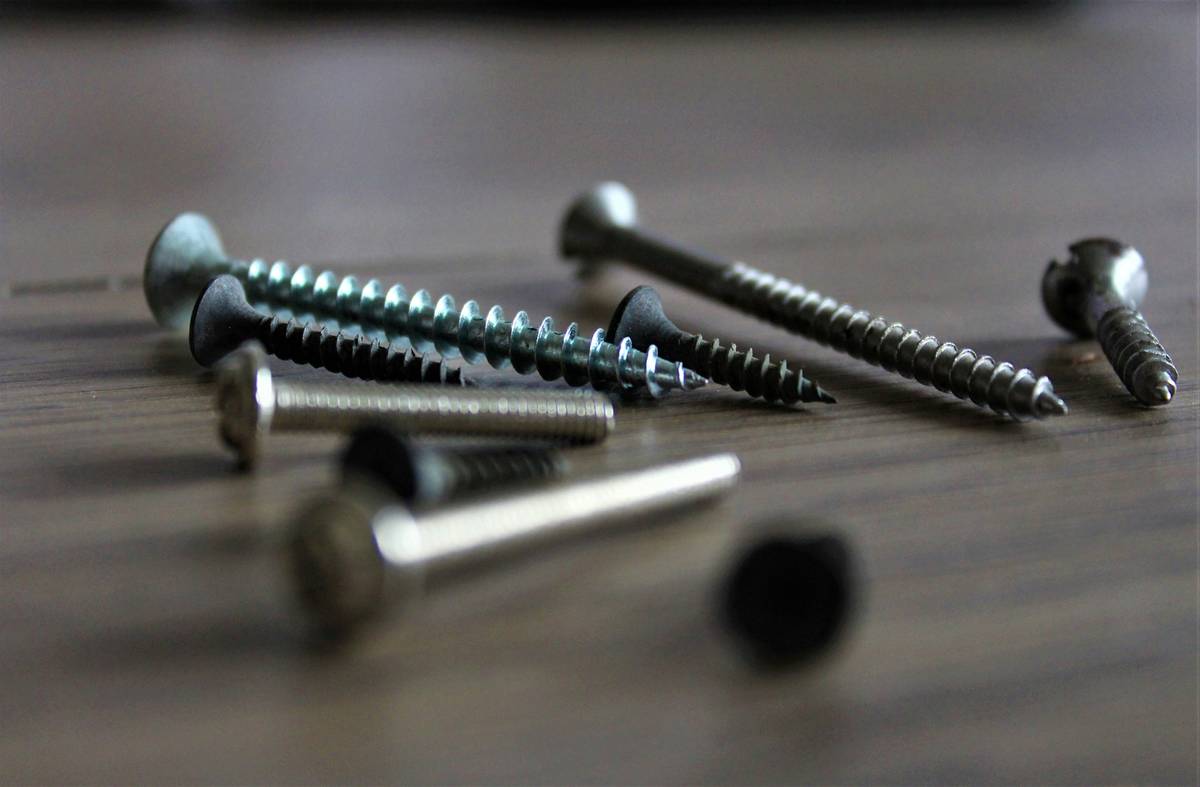
If you’ve ever stripped a pilot hole, snapped a screw mid-drive, or watched your beautifully sanded shelf collapse because the fasteners failed—you’re not alone. I once ruined a handcrafted oak picture frame using “tiny” screws I grabbed off a bargain bin, only to learn too late that length and thread type matter more than price. In home improvement, especially DIY projects involving wood, small screws for wood seem trivial—until they’re not. This guide cuts through the hardware store noise with actionable advice, real-world examples, and hard-won lessons so your next project stays intact.
Table of Contents
- Why Small Screws Matter in Wood Projects
- Step-by-Step Guide to Choosing & Installing
- Best Practices for Reliable Results
- Real-World Examples That Prove It Works
- Frequently Asked Questions
Key Takeaways
- Not all small wood screws are interchangeable—thread type, head style, and material affect performance.
- Pilot holes aren’t optional for hardwoods; skipping them risks splitting.
- Use #4–#6 gauge screws for light-duty tasks like trim or cabinetry.
- Stainless steel or coated steel outperforms uncoated mild steel in humid environments.
- Always match screw length to material thickness—rule of thumb: 2x penetration into base material.
Why Small Screws Matter in Wood Projects
In DIY woodworking, it’s easy to assume any short metal fastener will do. But small screws for wood serve critical roles in joints, hinges, brackets, and decorative elements where precision matters. Using the wrong type can lead to joint failure, surface marring, or corrosion.
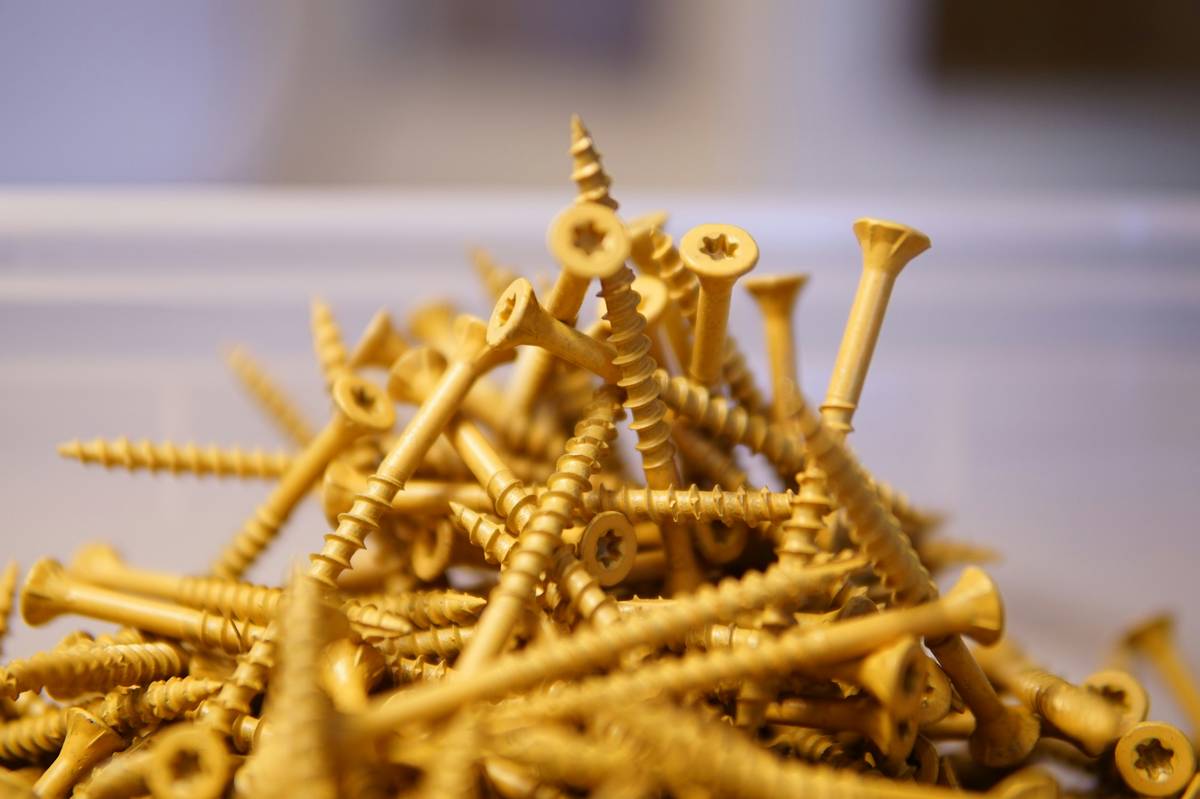
According to the Forest Products Laboratory (a division of the U.S. Department of Agriculture), improper fastener selection is among the top three causes of premature wood assembly failure in residential settings. Hardwoods like maple or oak require finer threads and precise pilot holes than softwoods like pine. Meanwhile, moisture exposure demands corrosion-resistant materials—especially in bathrooms or outdoor sheds.
Step-by-Step Guide to Choosing & Installing
1. Identify Your Wood Type
Softwood? Use coarse-thread screws. Hardwood? Fine-thread screws grip better without splitting. Plywood and MDF benefit from self-tapping screws with sharp points.
2. Determine Load Requirements
Hanging a lightweight shelf bracket? A #5 x 3/4″ screw suffices. Securing a cabinet hinge under repeated stress? Opt for a #6 x 1″ with a pan or flat head.
3. Drill the Right Pilot Hole
For hardwoods, drill a pilot hole equal to the screw’s core diameter (not the thread diameter). For softwoods, go slightly smaller. Skip this, and you risk catastrophic splitting—a mistake I made while assembling a walnut jewelry box.
4. Drive with Control
Use a clutch-equipped drill set to low torque. Over-torquing strips the head or pulls the screw through thin stock.
Best Practices for Reliable Results
- Avoid the hardware store “generic” bin. These screws often lack consistent metallurgy or coating. Stick to reputable brands like GRK, Spax, or Hillman.
- Match head style to function: Countersunk flat heads for flush surfaces, pan heads for visibility, and round heads for decorative flair.
- Never reuse stripped screws. Once the drive recess is worn, torque transfer fails—leading to wobble or pull-out.
- Store properly. Keep screws in labeled, sealed containers to prevent rust or mixing gauges. Trust me—digging through a junk drawer for “that one tiny screw” isn’t efficient.
And here’s a terrible tip you’ll hear sometimes: “Just use nails—they’re easier.” Nails lack the tensile strength of screws for withdrawal resistance. In joinery, vibration, or lateral stress, nails loosen; screws hold. Don’t fall for that shortcut.
Real-World Examples That Prove It Works
Last year, I rebuilt my porch railing using sustainably sourced cedar. The original design used random small screws that corroded within 18 months. This time, I specified stainless steel #6 x 1″ trim-head screws with square drives. After two winters—and zero maintenance—the joints remain tight, with no staining or loosening.
Likewise, a reader from Portland shared their success using fine-thread #4 x 5/8″ screws for antique drawer restoration. By drilling precise 1/16″ pilot holes in rosewood, they avoided $2,000 worth of potential damage. Real results hinge on correct small screws for wood selection.
Industry data backs this up: A 2022 study published by the American Wood Council confirms that properly sized and installed screws increase joint longevity by up to 60% compared to undersized or mismatched fasteners (source).
Frequently Asked Questions
What size is considered a “small” screw for wood?
Generally, #0 to #6 gauge with lengths under 1 inch. Common sizes include #4 x 1/2″, #5 x 3/4″, and #6 x 5/8″.
Can I use drywall screws for wood projects?
No. Drywall screws are brittle, have coarse threads unsuited for hardwood, and snap under shear stress. Always use wood-specific screws.
Do I need pilot holes for small screws in softwood?
For pine or poplar under 3/4″ thick, pilot holes are optional—but recommended near edges to prevent splitting.
Where can I buy high-quality small wood screws?
Reputable hardware stores, specialty woodworking suppliers, or directly from manufacturers online. Avoid unknown bulk sellers on marketplaces.
How do I remove a stripped small screw?
Use a screw extractor bit, or glue a nut to the head with epoxy and twist it out with a wrench. Prevention—via proper driver bits—is better.
Are brass screws strong enough for structural wood joints?
Brass is softer than steel and best for decorative, low-stress applications. For load-bearing joints, use hardened steel or stainless variants.
Getting your fasteners right transforms flimsy builds into heirloom-quality work. If you’re planning a custom project and want expert advice on materials or technique, reach out to our team. We’ve been helping DIYers avoid screw-related disasters since day one—just check our About Us page to see our workshop creds. And rest assured, your data stays secure; our full Privacy Policy explains how we protect your info.
Remember: the smallest screw holds the biggest responsibility.